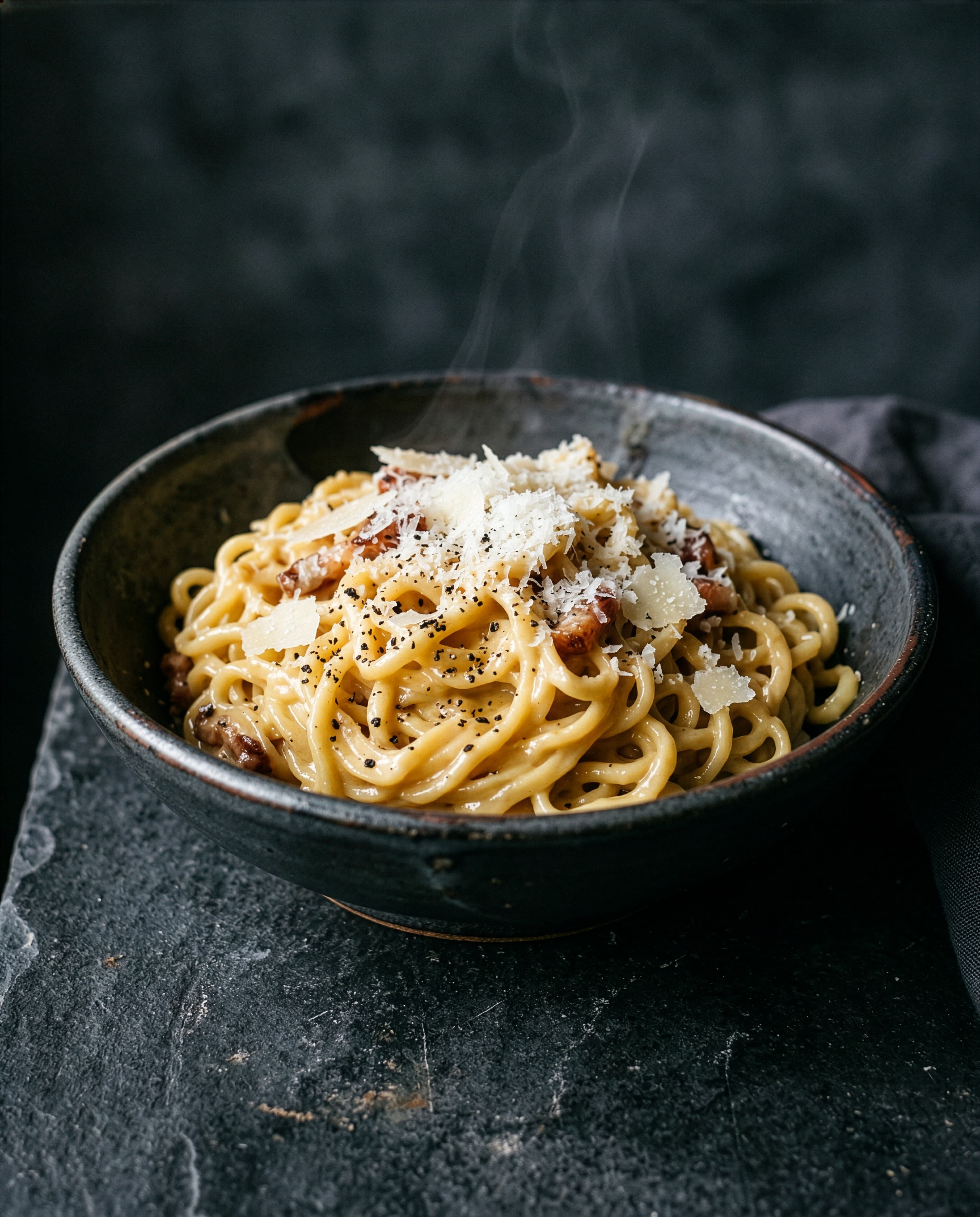
Somen (素麺) is Japan's answer to the question of what to eat when it's too hot to want anything. Thin wheat noodles — the thinnest in the Japanese noodle canon — cooked briefly, chilled immediately, and served submerged in ice water with a cold dipping sauce.
The eating experience is almost purely textural: cold water, silky noodle, a brief dip into tsuyu (dipping broth), perhaps a touch of grated ginger or green onion. It requires no appetite. This is by design.
What Somen Is
Somen is a dried wheat noodle with a diameter under 1.3mm — thinner than udon, thinner than ramen, thinner than soba. The noodle is stretched rather than rolled: strands of wheat dough are stretched repeatedly while dry, coated in vegetable oil to prevent sticking, and dried in a regulated environment. The stretching process creates the noodle's characteristic long, straight form and its particular al dente texture when cooked.
Key characteristics:
- Made from wheat flour, water, and salt
- Very thin (under 1.3mm diameter by JAS standards)
- Produced dried; cooks in 2-3 minutes
- White in color; neutral, slightly clean-wheat flavor
- Gluten structure from stretching gives distinctive silky bite
- Served exclusively cold in summer
Somen vs. hiyamugi: Hiyamugi is a nearly identical thin wheat noodle, but slightly thicker (1.3-1.7mm diameter). The two are often used interchangeably. Hiyamugi is less common but sometimes preferred for its slightly more substantial texture.
Regional Somen Production
Several regions produce renowned somen with distinct characteristics. The regional variation is significant — premium somen from different producing areas tastes markedly different from generic commodity somen.
Miwa somen (三輪そうめん), Nara Prefecture: Japan's oldest and most celebrated somen, produced in the Miwa region since the Muromachi period (14th-15th century). Hand-stretched using a technique that hasn't changed for centuries. The noodles are fine, smooth, and have a particularly clean flavor.
Harima somen / Ibonito somen (揖保乃糸), Hyogo Prefecture: Japan's largest somen production region, producing "Ibonito" brand somen. Two grades: standard (blue band) and superior tokusen (red band). Tokusen is produced only in winter months when lower humidity allows slower, more controlled drying.
Ibo somen (小豆島そうめん), Kagawa Prefecture: Shodoshima Island somen — slightly thicker than Miwa, with a reputation for particularly firm texture due to the island's specific climate conditions.
Nagoshi somen (素麺流し), Nagasaki: Associated with the nagashi somen tradition; Nagasaki produces several regional varieties of somen consumed at flowing water establishments.
How to Cook Somen
Somen cooks quickly and requires immediate cold-water rinsing after cooking to prevent sticking and to halt cooking.
Cooking method:
- Bring a large pot of water to a rolling boil. Do not salt the water — somen already contains salt.
- Add somen bundles (dried somen typically comes in small bundles held together with a paper band; remove the band before cooking).
- Cook 2-3 minutes. Test after 2 minutes: the noodle should be fully cooked but with a slight resistance — not soft or mushy.
- Drain immediately into a colander.
- Rinse under cold running water, rubbing the noodles gently to remove surface starch. Continue until the water runs completely clear and the noodles feel cool.
- Transfer to a bowl of ice water to chill completely.
The cold-water rinse step is not optional. Somen left without rinsing clumps into an inseparable mass within minutes.
Hiyashi Somen — The Classic Preparation
Hiyashi somen (冷やし素麺, cold somen) is the standard serving format:
Setup:
- Somen noodles in a large bowl of ice water (ice and cold water together; the visual of ice with white noodles is part of the experience)
- Mentsuyu dipping sauce served cold in small individual bowls
- Condiments for adding to the dipping sauce
Standard condiments:
- Grated fresh ginger
- Sliced green onion (thin rounds)
- Myoga (Japanese ginger bud, julienned)
- Shiso leaves (finely shredded)
- Toasted sesame seeds
Toppings served alongside (optional):
- Thinly sliced cucumber strips
- Thin egg omelette strips (kinshi tamago)
- Nori (dried seaweed), cut into thin strips
- Kakiage tempura
- Ham — sliced ham is a very common modern addition
How to eat: Take a small portion of noodles from the ice water, allow them to drip briefly, then dip into the mentsuyu. The dipping sauce should be cool. Add condiments to the dipping sauce or eat alongside.
Mentsuyu Tsuyu Dipping Sauce
Mentsuyu (麺つゆ) is the dipping sauce for cold noodles — the same base used for soba and udon. For somen, it's diluted slightly because the cold serving format mutes flavors.
Concentrate (for making your own):
- 300ml dashi
- 60ml soy sauce
- 30ml mirin
- 1 tbsp sake
Combine all ingredients. Bring to a simmer over medium heat; reduce 5 minutes. Cool completely.
To serve: Dilute 1:1 with cold water, or to taste. The mentsuyu should be distinctly savory but not overwhelmingly salty — the cold temperature requires the seasoning to be slightly assertive.
Ready-made mentsuyu: High-quality bottled mentsuyu (Yamaki, Ninben, Kikkoman) is entirely acceptable for somen. Most Japanese home cooks use bottled concentrate rather than making their own for casual summer meals.
Nagashi Somen — Flowing Noodles
Nagashi somen (流しそうめん) is one of Japan's most distinctive summer food experiences: somen noodles floated down a bamboo half-pipe or trough of flowing water, with diners using chopsticks to catch them as they flow past.
How it works:
- A channel of split bamboo or purpose-built PVC trough is set up, often outdoors, on an incline
- Cold water flows continuously down the channel
- Small bundles of somen are released at the top at intervals
- Diners positioned along the channel catch the flowing noodles with chopsticks
- Uncaught noodles flow off the end — traditionally, the restaurant collects these
The experience: The challenge is part of the appeal. A flowing stream of white noodles mixed with moving water, the competitive catching with chopsticks, the outdoor summer setting — nagashi somen functions as a summer social activity as much as a meal.
Where to find it: Nagashi somen restaurants operate seasonally (summer months only) in rural and mountain areas across Japan, particularly in regions with clear stream water — Kyoto mountains (Kibune area is famous for kawadoko streamside dining), Nara, Nagasaki, and Aichi.
Home nagashi somen: Compact countertop nagashi somen machines for home use are sold in Japan — a rotating water-circulation apparatus that mimics the bamboo trough experience. A popular novelty gift item.
Other Somen Preparations
While cold serving is canonical, somen has warm preparations:
Nyumen (煮麺): Somen cooked and served in a warm broth, typically a light dashi-based soup. Common in Nara prefecture (near the Miwa somen production region) as a winter preparation. Uses the same noodle as cold somen; the thin texture works differently in hot broth — lighter than udon, more delicate.
Chanpuru / Somen chanpuru (ソーメンチャンプルー): An Okinawan stir-fry using somen — cooked noodles stir-fried with pork, vegetables, and egg in a light soy-based seasoning. The somen noodles take on a texture similar to glass noodles in this preparation.
Buying Somen
Budget somen: Generic commodity somen from any Japanese supermarket is entirely functional. Works well for nagashi somen parties or everyday summer meals.
Mid-range: Ibonoto tokusen (red band) — widely available, excellent quality, distinctive texture.
Premium: Miwa somen or hand-stretched artisan somen from Nara or Hyogo. A significant step up in texture and flavor; recommended for serving prominently as hiyashi somen with good condiments.
Outside Japan: Japanese grocery stores (Nijiya, Mitsuwa) and major online retailers stock somen year-round. Most commodity somen is exported in generic packaging.
Somen's genius is its refusal to pretend hot weather is normal eating weather. It requires nothing: no appetite, no effort to eat, no warming of the stomach. It asks only that you reach into cold water with chopsticks and briefly dip the result into a savory broth. This is what Japanese summer food should do.
Related reading: Japanese Noodle Types Complete Guide | Hiyashi Chuka Cold Ramen Guide | Mentsuyu Dipping Sauce Guide
Free recipes from this world
Related reading
The full recipes live in the book.
Get Tokyo Meets Tuscany on AmazonAs an Amazon Associate we earn from qualifying purchases. This is an affiliate link — it costs you nothing extra.
Paperback $19.99 · Kindle $9.99