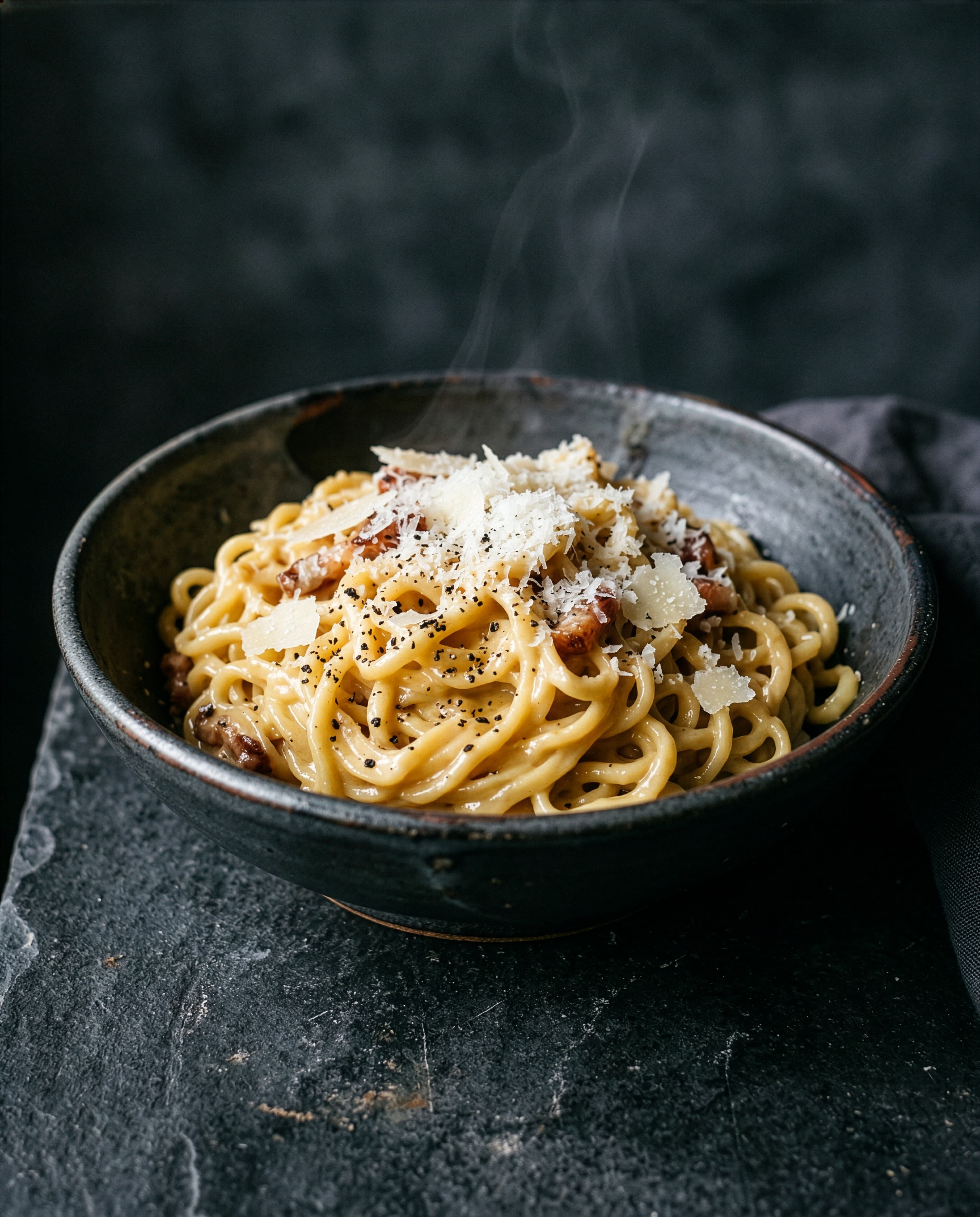
Khao soi (ข้าวซอย, khâo sōi) is the defining dish of Chiang Mai and Northern Thai food culture — a coconut milk curry noodle soup that exists nowhere else in Thailand in quite this form, with an origin story that runs through Burma and Yunnan province in southern China.
The dish's most visually striking element is the double-noodle presentation: the same egg noodles used in the broth are also deep-fried until golden and placed as a crispy nest on top. You eat both textures in the same bowl — the soft braised noodles that have absorbed the curry broth, and the shatteringly crispy fried ones that contrast against it.
The Origin: Northern Thai, Burmese, and Yunnanese
Northern Thailand — the Chiang Mai region, the former Kingdom of Lanna — is geographically and culturally distinct from Central Thailand. It shares borders with Burma (Myanmar) and was historically connected to trade routes running through Yunnan province in China.
Khao soi is most directly related to a Burmese and Yunnanese Chinese Muslim (Yunnan Panthay Muslim) dish tradition. A similar dish called khao swe exists in Burma; noodles in a curry broth is a format common in Yunnan. The route: Muslim traders from Yunnan traveling the caravan trade routes brought their food culture into Northern Thailand. Chiang Mai's Khao Soi Islam stalls — specifically operated by Muslim Thai (predominantly descended from these Yunnan Muslim lineages) — are considered by many the most authentic.
This is why khao soi is found primarily in Chiang Mai and the north, not in Bangkok or Southern Thailand, and why it is categorically different from Central Thai cuisine.
The Broth
The khao soi broth is a coconut milk curry — specifically made from a curry paste that combines red curry aromatic elements with dried spices:
Khao Soi Paste (or use red curry paste + additions)
From scratch:
- 4–6 dried red chilies, soaked
- 3 shallots
- 4 cloves garlic
- 2cm galangal
- 1 stalk lemongrass, lower part
- 1 teaspoon turmeric (for color)
- 1 teaspoon coriander seeds, ground
- ½ teaspoon cumin, ground
- 1 teaspoon curry powder
- 1 teaspoon shrimp paste
Blend to a paste.
Store-bought shortcut: Mae Ploy red curry paste (4 tablespoons) + 1 teaspoon curry powder + 1 teaspoon turmeric. Not identical to the real thing but produces a functional and good result.
Broth Method
-
Separate the thick cream from the top of 2 cans (800ml) of full-fat coconut milk.
-
In a pot over medium heat, cook the thick coconut cream until the fat separates (3–5 minutes, stirring). Add the curry paste; fry 3–4 minutes until fragrant.
-
Add bone-in chicken thighs (or drumsticks, or boneless thigh if preferred) — 4 pieces. Coat in the paste; cook 2 minutes.
-
Add remaining coconut milk plus 400ml chicken broth (or water). Add 2 tablespoons fish sauce and 1 tablespoon palm sugar. Bring to a simmer.
-
Cook 25–35 minutes until the chicken is very tender and almost falling off the bone. Adjust seasoning — the broth should be rich, coconut-forward, savory, very slightly sweet, with a warm turmeric-curry background.
The Double Noodle System
Khao soi uses fresh or dried egg noodles — specifically flat, wide egg noodles, not rice noodles.
Noodles in the bowl (soft): Cook a portion of egg noodles in boiling water until just done (2–3 minutes for fresh, 4–5 for dried). Drain; place in the serving bowl.
Noodles on top (crispy): Take an equal-sized portion of uncooked dried egg noodles (or separate a small amount of fresh noodles and let them air-dry on a paper towel for 20 minutes). Deep-fry in neutral oil at 175°C until golden and crispy — about 1–2 minutes. Drain. These go on top as the garnish.
Result: When you receive the bowl, you have two identical noodle textures — soft below, crispy above. As you eat, the crispy noodles soften in the broth while you work through the bowl.
The Four Required Condiments
Unlike Central Thai curries served simply with rice, khao soi comes with four condiments served on the side. These are not optional:
1. Pickled mustard greens (phak dong, ผักดอง): Thinly sliced, slightly sour, pickled mustard greens. These cut through the richness of the coconut broth. A key component of the eating experience — take a bite of noodle-broth, eat a bit of pickled greens, repeat.
2. Shallots (hom lek, หอมเล็ก): Raw shallots, sliced in rings. Sharp, slightly pungent. Added to the bowl for crunch and sharpness.
3. Lime (manao, มะนาว): Squeezed into the bowl at the table. The acid brightens all the flavors — especially important against the rich coconut cream.
4. Chili oil or dried chili flakes (prik pon, พริกป่น): Added for heat to taste. Khao soi's broth is mild; the chili oil brings individual heat control.
How to eat: Add all four condiments to the bowl before eating. Squeeze the lime, add the pickled greens, add shallots, add chili oil. Then mix. The broth changes character significantly with all four components — the version without the condiments is incomplete.
Where to Eat in Chiang Mai
Khao Soi Khun Yai: Consistently cited as one of the best, small shophouse.
Khao Soi Islam: On the Muslim side of Chiang Mai's old city; the most historically authentic style, operated by the Yunnan Muslim Thai community. Specifically the Shan Yun or Yunnan Muslim preparations.
Khao Soi Lung Prakit Kad Kom: Older Chiang Mai institution, often mentioned alongside Khao Soi Khun Yai.
The dish varies noticeably stall to stall — broth richness, curry depth, and noodle-to-broth ratio all differ. Chiang Mai residents have strong opinions about which stall is best.
Related reading: Massaman Curry Guide | Panang Curry Guide | Laksa Guide — Singapore and Malaysia's Spicy Noodle Soup
Free recipes from this world
Related reading
- indonesianSoto Ayam: Indonesia's Turmeric Chicken Noodle Soup and the Dish That Has a Different Recipe in Every Region
- indianVindaloo: Why This Is a Portuguese Dish Adapted Into an Indian Curry and What You Lose When You Make It Just About Heat
- thaiThai Green Curry: What Makes It Green, How the Paste Works, and the Complete Recipe
The full recipes live in the book.
Get Tokyo Meets Tuscany on AmazonAs an Amazon Associate we earn from qualifying purchases. This is an affiliate link — it costs you nothing extra.
Paperback $19.99 · Kindle $9.99