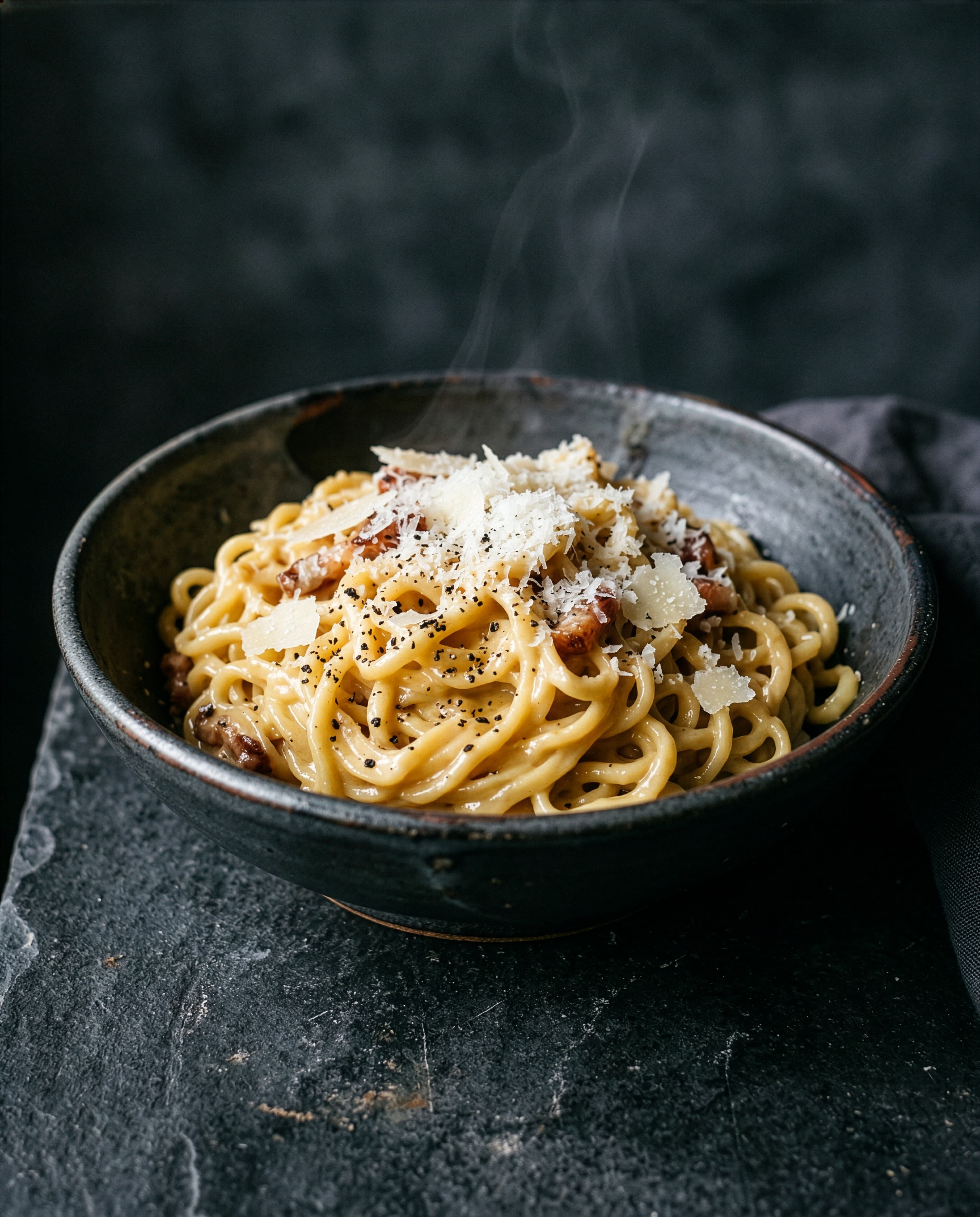
There's a neighborhood in Iloilo City called La Paz. In 1938, Federico Guillergan opened a small stall in the La Paz Public Market selling a noodle soup he'd developed from pork bone broth and the organ meats that wealthier households discarded. The soup was cheap, filling, and deeply flavored. It spread from the market through Iloilo, then through the Visayas, then across the Philippines.
La Paz Batchoy is now so identified with the city that Iloilo is nicknamed the "Batchoy Capital of the Philippines." The soup has been franchised, bottled as instant noodles, and debated endlessly about who makes the authentic version. The original stall, now run by Guillergan's descendants, still operates in the La Paz market.
What's in It
The broth: The foundation is a pork bone broth made from trotters, knuckles, and marrow bones simmered with garlic, onion, and ginger for 3–4 hours. The long boil extracts collagen, producing a broth that is naturally gelatinous when cooled and rich when hot. This is the most time-consuming element and the one that separates good batchoy from mediocre versions.
Egg noodles: Misua (very fine wheat noodles) is traditional; some versions use miki (thick egg noodles). The noodles should be cooked separately and placed in the bowl rather than cooked in the broth, which would make them too soft and cloud the soup.
The organ meats: Liver and intestines are the two traditional organ components. The liver is sliced thin and blanched briefly in the hot broth just before serving — it should be slightly pink inside. The small intestine (isaw) is cleaned thoroughly, blanched, and cut into small pieces. These add an iron richness and textural variation absent from the broth alone.
Chicharrón (crushed pork cracklings): The finishing touch that provides crunchy contrast and additional pork fat flavor. Crushed fine and sprinkled liberally over the surface of the soup just before serving. They absorb liquid quickly and should be eaten before they soften.
Raw egg: A signature element. A whole raw egg is cracked directly into the bowl of hot soup tableside. The heat of the broth partially cooks the white while the yolk remains runny. Stirred through the soup, it creates an unctuous, slightly thickened quality to the liquid. This is not optional — it's essential to the batchoy experience.
Green onions and garlic chips: Thin slices of scallion and crispy fried garlic rounds are standard garnish.
Pork loin: Some versions include thin slices of braised or boiled pork loin alongside the organs. Guillergan's original formulation included this; many modern versions do as well.
The Flavor Profile
La Paz Batchoy's distinctive flavor comes from the accumulation of pork fat from multiple sources: the broth (bone marrow and collagen), the chicharrón (rendered pork skin fat), and the raw egg (which emulsifies with the fat in the broth). The result is a soup that tastes round, rich, and deeply savory without being heavy.
The organ meats add iron and mineral notes that ground the fat richness. The green onion provides brightness and the fried garlic chips add crunch and nutty depth.
The Guillermo vs. Others Debate
The Guillergan family's establishment (known as Ted's La Paz Batchoy) and a rival family shop (Deco's La Paz Batchoy) have competed for decades, with each side's proponents insisting their version is the original and the better one. Visitors to Iloilo typically try both. The differences are minor — slight variations in broth richness, organ preparation, and noodle choice — but the rivalry is real and beloved by locals.
Recipe: La Paz Batchoy (Serves 4)
For the broth:
- 800g pork trotters or knuckles
- 400g pork neck or marrow bones
- 1 head garlic, halved crosswise
- 1 medium onion, quartered
- 2-inch knob ginger, sliced
- 2 tablespoons patis (fish sauce)
- Salt to taste
- Water to cover (about 3 liters)
For the bowl:
- 300g fresh miki (thick egg noodles) or misua
- 200g pork liver, sliced thin
- 200g cleaned pork small intestine, cut into 1-inch pieces and blanched
- 200g crushed chicharrón (pork cracklings)
- 4 eggs (1 per bowl)
- 4 tablespoons fried garlic chips
- 4 stalks green onion, thinly sliced
Broth:
- Blanch pork bones in boiling water for 5 minutes; drain and rinse.
- Place blanched bones in clean pot with garlic, onion, ginger, and water. Bring to boil.
- Reduce heat and simmer 3–4 hours, skimming foam regularly.
- Strain broth; discard solids. Season with patis and salt. Keep at a vigorous simmer.
Assembly (per bowl):
- Cook noodles according to package; divide among bowls.
- Drop liver slices into simmering broth for 30 seconds; place on noodles.
- Add intestine pieces.
- Ladle hot broth over noodles and organs.
- Crack one raw egg directly into each hot bowl.
- Top generously with crushed chicharrón, fried garlic chips, and green onions.
- Serve immediately; instruct diners to stir before eating.
Free recipes from this world
Related reading
The full recipes live in the book.
Get Tokyo Meets Tuscany on AmazonAs an Amazon Associate we earn from qualifying purchases. This is an affiliate link — it costs you nothing extra.
Paperback $19.99 · Kindle $9.99