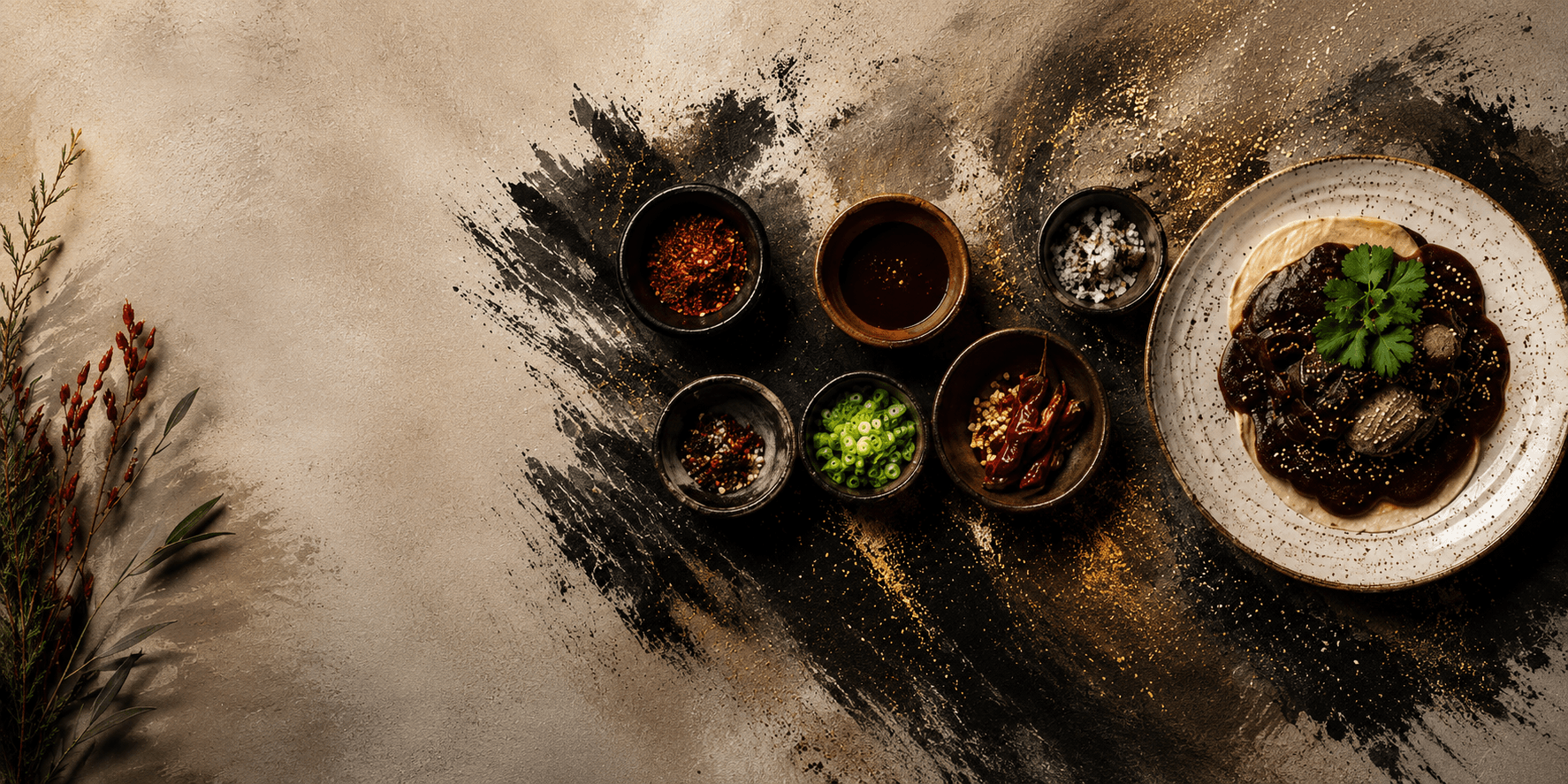
Pinakbet is Ilocano food — from the Ilocos region on the northern tip of Luzon, a coastal area historically characterized by resourceful cooking from whatever the land and sea provided. The Ilocano food tradition is known for its strong fermented flavors, its use of bitter and sour vegetables, and its frugality. Pinakbet is the most famous Ilocano dish and the most visible expression of that tradition: a stew in which vegetables (not meat) are the primary ingredient, and the flavor comes from fermented fish or shrimp paste rather than from a complex sauce.
The bitter melon (ampalaya) is the marker ingredient that many non-Filipinos find challenging. Its bitterness is real, not subtle — a distinct, persistent, slightly medicinal bitterness that Ilocanos and Filipinos generally do not try to neutralize. (Salting before cooking reduces some bitterness; most pinakbet recipes do not do this.) The bitterness is part of the dish's identity: pinakbet is not trying to be mild or crowd-pleasing. It is direct, savory, bitter, and deeply flavored from the bagoong.
The Bagoong: The Essential Ingredient
Bagoong isda (Ilocano version): Fermented fish paste — the whole fermented fish version; stronger, funkier, more complex. The traditional Ilocano flavoring.
Bagoong alamang (Tagalog version): Fermented shrimp paste — pink-gray, salty, with a more accessible fermented-shrimp flavor. The version that spread to the rest of the Philippines.
How it is used: Added early in the cooking process — sautéed briefly with the aromatics (garlic, onion) before the vegetables are added. The bagoong becomes the primary salt and flavor component; no additional fish sauce or salt is usually needed.
The funk: Properly used bagoong should give the dish a deep, savory, oceanic background that is present in every bite but not overwhelming. Too much bagoong makes the dish unpleasantly salty and fishy; too little makes it bland.
The Vegetables
Bitter melon (ampalaya): Washed; ridged ends sliced off; halved; seeds and white pith scooped out; sliced into half-moons. The seed cavity's white pith is especially bitter; removing it reduces bitterness slightly.
Eggplant (talong): Small Filipino eggplants (long purple variety), cut into chunks.
Okra: Whole (do not cut to avoid sliminess).
Squash (kalabasa): Cut into cubes; softens and sweetens during cooking.
String beans (sitaw): Cut into 4–5cm lengths.
Tomatoes: Provide acidity and liquid; added early to begin melting.
The order matters: Harder vegetables (squash) go in first; softer vegetables (okra, eggplant) later; bitter melon is also added somewhat later so it doesn't completely lose texture.
Pork Addition (Optional But Common)
Pork belly or pork strips are often included — browned first in the same pan, then the vegetables are added. The pork fat enriches the stew. Purely vegetarian versions exist and are equally traditional in Ilocano cooking.
The Complete Recipe
Serves: 4 | Time: 35 minutes
Ingredients
- 1 bitter melon (ampalaya), halved, deseeded, sliced into half-moons
- 2 small eggplants (talong), cut into chunks
- 200g squash (kalabasa), peeled, cut into 2cm cubes
- 8 okra pods, whole
- 200g string beans, cut into 4–5cm lengths
- 3 medium tomatoes, quartered
- 200g pork belly, sliced (optional)
- 4 tablespoons bagoong alamang (fermented shrimp paste)
- 4 garlic cloves, minced
- 1 onion, sliced
- 1 tablespoon neutral oil
- 150ml water
Method
1. Brown pork (if using): Heat oil in a wide pan over medium-high. Brown pork pieces until golden. Remove; set aside.
2. Sauté aromatics: In the same pan, add garlic and onion; cook until softened (3 minutes). Add bagoong; stir and cook 2 minutes until the fermented smell has mellowed slightly.
3. Add tomatoes: Add quartered tomatoes; cook, pressing to break down slightly, until they release their juices (3 minutes).
4. Add squash and water: Add squash and water; return pork if using. Cover; cook 5 minutes until squash begins to soften.
5. Add remaining vegetables: Add string beans and eggplant; stir; cook 5 minutes. Add okra and bitter melon; stir gently (do not break okra). Cover; cook 5–8 minutes until all vegetables are tender but not mushy.
6. Adjust: Taste — the bagoong provides all the salt. Add a splash more water if too dry; cook uncovered briefly if too wet. The vegetables should be wilted and slightly shriveled (pinakebbet) in a savory sauce.
Serve: Over white rice. The bitterness of the ampalaya is part of the dish; do not try to correct it.
Related reading: Adobo Filipino National Dish Guide | Sinigang Filipino Sour Tamarind Soup Guide | Gado-Gado Indonesian Peanut Sauce Salad Guide
Free recipes from this world
Related reading
- recipeDinuguan: The Philippines' Pork Blood Stew, Why Blood Is the Essential Thickener, the Sour-Savory Balance With Vinegar, and Why Filipinos Call It 'Chocolate Meat'
- recipeRojak: Southeast Asia's Mixed Fruit and Vegetable Salad With Shrimp Paste Dressing, Why the Sauce Is Black and Sweet and Pungent, the Three Regional Versions, and Why the Name Means 'Eclectic Mixture'
- frenchRatatouille: The Provençal Vegetable Stew From Nice, Why the Vegetables Must Be Cooked Separately, and the Confit Byaldi Tian Variation
The full recipes live in the book.
Get Tokyo Meets Tuscany on AmazonAs an Amazon Associate we earn from qualifying purchases. This is an affiliate link — it costs you nothing extra.
Paperback $19.99 · Kindle $9.99